Caboolture Gliding Club |
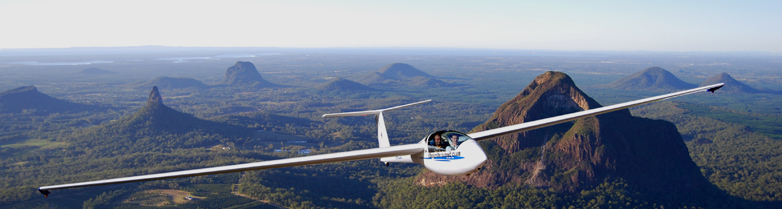
| Soar like an eagle on silent wings in a friendly, cooperative club atmosphere from our base at Caboolture Airfield on Queensland's beautiful Sunshine Coast. New members and visitors are always welcome. |
| Home | Contact Us | Information | Gallery | Members | Airfield | Weather | Links | Other | |
|
||||||
|
|
||||||
|
|
||||||
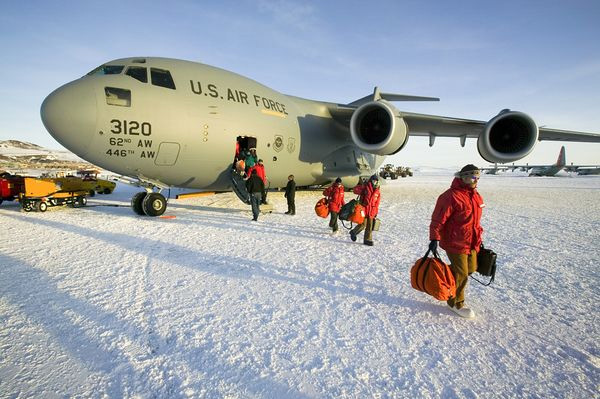
Sea Ice Runway, AntarcticaPhotograph by George Steinmetz, Corbis Heavily parka'd passengers disembark from a C-17 near the McMurdo Station U.S. science base on Antarctica's Ross Island. The sea ice airfield—which sags under planes even in the best conditions—is one of seven extreme airports that could make even your hairiest holiday touchdowns seem cushy by comparison. For instance, at McMurdo flat land is in short supply, which explains why planes take off and land on sea ice in spring—when the region's brutal weather offers a window. Usually by December, the sea ice begins to weaken and give too much. The airfield is then dismantled for the year, and planes use another icy runway, on the Ross Ice Shelf, which is operational in the colder months. |
||||||
|
|
||||||
|
|
||||||
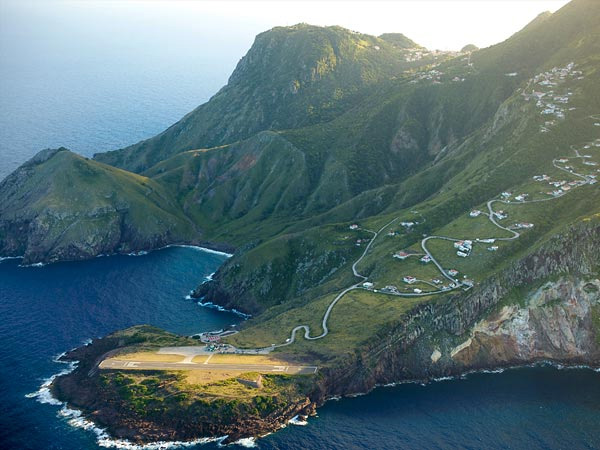
Saba, Netherlands AntillesPhotograph by Jochem Wijnands, Picture Contact BV/Alamy This seaside spit of land on Saba—a tiny Caribbean island administered by the Netherlands—is resort ready but rough as a runway. Juancho E. Yrausquin Airport's landing strip is extremely short, "and you're not going to be flying 737s in on that. Most of them are smaller turbo props," aviation expert Benét J. Wilson said. "There are cliffs that literally drop into the sea at each end of the runway, so there's no room for error, and there are hills on either side that can create updrafts and downdrafts. "It's a crazy little airport, but [when siting an airstrip] you have to go with the best available options that you have," said Wilson, director of media relations for the Aircraft Owners and Pilots Association. |
||||||
|
|
||||||
|
|
||||||
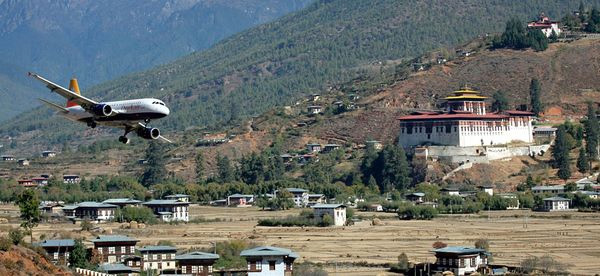
Paro Airport, BhutanPhotograph by Singye Wangchuk, Reuters The Himalayan peaks that make the approach to the Bhutan's Paro international airport so breathtaking create serious challenges for the few pilots certified to land there. But modern training makes even the most demanding landings relatively safe. "I think there is no pilot worth his salt that would ever admit that they're afraid to fly into these extreme airports," Wilson said. "And you have very high-tech, 3-D simulators that can recreate the conditions of flying into these airports so well that you really do feel like you're flying into these areas. That kind of training makes you much more confident." |
||||||
|
|
||||||
|
|
||||||
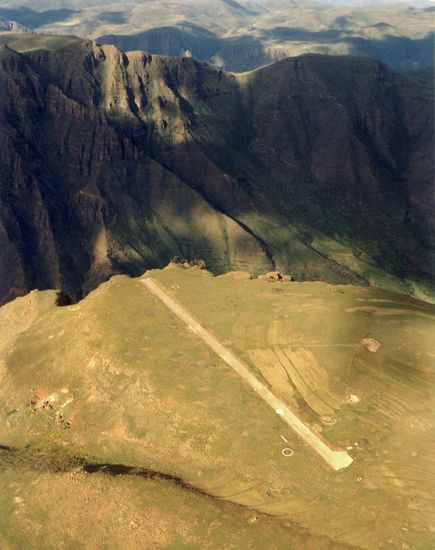
Matekane Air Strip, LesothoPhotograph courtesy Tom Claytor Flat space is scarce in the Lesotho, a mountainous monarchy surrounded by South Africa. Consequently, the 7,500-foot-high (2,286-meter-high) runway at Matekane offers the kind of vista usually seen only during flight. Passengers taking off here face a possible plunge off the 2,000-foot-tall (610-meter-tall) cliff—a not uncommon occurrence. Extending just 1,300 feet (396 meters), the airstrip doesn't offer enough room for many pilots to get airborne, so they drive off the cliff, then take flight during the drop. |
||||||
|
|
||||||
|
|
||||||
|
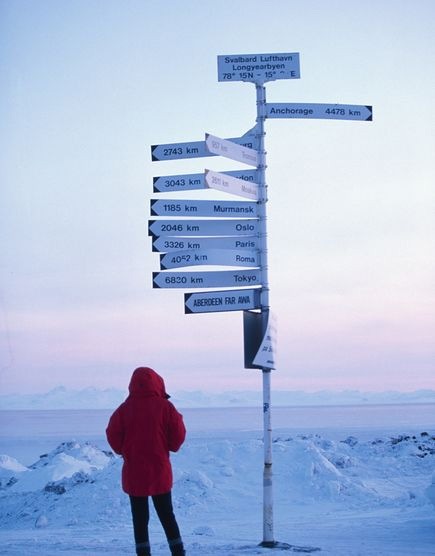
Svalbard
Airport, Norway
Photograph from Atlantide Phototravel/Corbis Signposts at Svalbard Airport point to destinations around the world—all south of Norway's Svalbard islands. The airport, near Longyearbyen, is the northernmost commercial airport in the world and home to all the typical weather hazards of life above the Arctic Circle. (See pictures of the Arctic Circle and North Pole.) The Svalbard archipelago is about halfway between mainland Norway and the North Pole—too far into often icy northern seas for regular boat service. Most visitors arrive via daily flights from Oslo or Tromsø. |
||||||
|
|
||||||
|
|
||||||
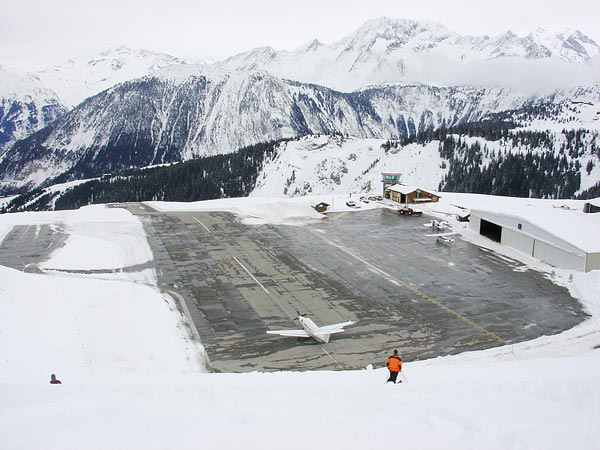
Courchevel Airport, FrancePhotograph courtesy Jon Harbord When you're flying into an airport, it's somehow less than comforting to know James Bond's been there before you. At 6,588 feet (2,008 meters) above sea level, this cliffside ski-resort runway in the Alps was perfectly cast in the nail-biting opening sequence of Tomorrow Never Dies. "It's a short runway built into the middle of a mountain," said aviation and travel writer Wilson. "You have mountain weather and snow and wind to consider, and the runway itself is slanted upward like a ramp—there are even ski runs right there by the runway. "It's a no go-around airport," she added. According to regulations, "you have one chance to get in, and if you miss that chance, you don't get a second chance. You have to fly to an alternate airport." |
||||||
|
|
||||||
|
|
||||||
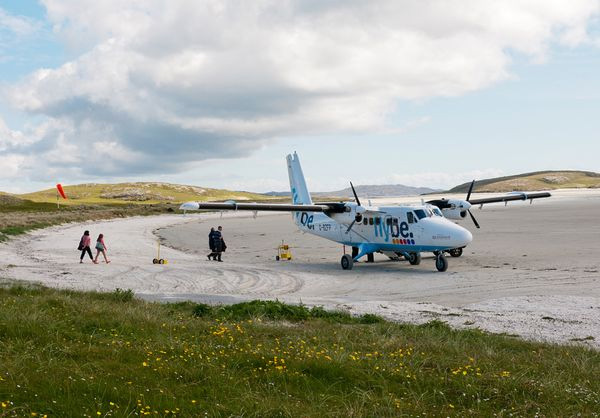
Barra Airport, ScotlandPhotograph from SJ Images/Alamy Pilots bound for the Scottish isle of Barra must review all the standard reports of weather and air traffic but also keep an eye on a rather unusual factor—the tide chart. This Outer Hebrides airstrip may be the only one in the world where regularly scheduled commercial flights touch down and take off on a beach. One of the three Barra runways—the cockleshell strip known as Traigh Mhor—is underwater, and off-limits, at high tide. For some people, such unique airports are travel destinations in their own right. "Aviation geeks like me," Wilson said, "tend to seek these places out." |
||||||
|
|
||||||
|
This article by Brian Handwerk |
||||||
|
was published on the |
||||||
|
website on 02-Dec-11 |
||||||

 |
 |
 |
| Copyright © 2009 - Caboolture Gliding Club | joy flight in Twin Astir IKW | Site Design & Build: Gecko Breath |